






Wall Street Journal: Did Fort Berthold tribal leaders squander historic opportunity?

BY JACK NICAS
FORT BERTHOLD INDIAN RESERVATION, N.D.—The shale-oil boom in North Dakota gave the Mandan, Hidatsa and Arikara Indians here the chance to become some of the wealthiest tribes in U.S. history.
But the oil has also divided the reservation, drawing lawsuits, an FBI investigation and accusations from tribal members that their leaders squandered the historic opportunity.
Jeff Lautenberger
Truck traffic that has grown with North Dakota's oil boom kicks up a cloud of dust last summer on the Fort Berthold Indian Reservation.
The fight highlights how much the shale-oil revolution in the U.S. has become a gamechanger for many rural areas where the economy was once moribund. The boom has offered the possibility of profound riches but also of acrimony and finger-pointing.
U.S. natural-gas production will accelerate over the next three decades, new research indicates, providing the strongest evidence yet that the energy boom remaking America will last for a generation. Jerry Dicolo joins Markets Hub. Photo: Getty Images.
In the hundreds of deals at the center of dispute, Spencer Wilkinson Jr., the manager of the reservation's casino, teamed up with hedge fund Och-Ziff Capital Management LLC OZM -0.55%and oilfield-services titan SchlumbergerLtd. SLB -0.27% to lease the drilling rights to 85,800 acres in 2007 and 2008. They paid roughly $14 million, plus a share of future drilling revenue, according to court documents and to federal records.
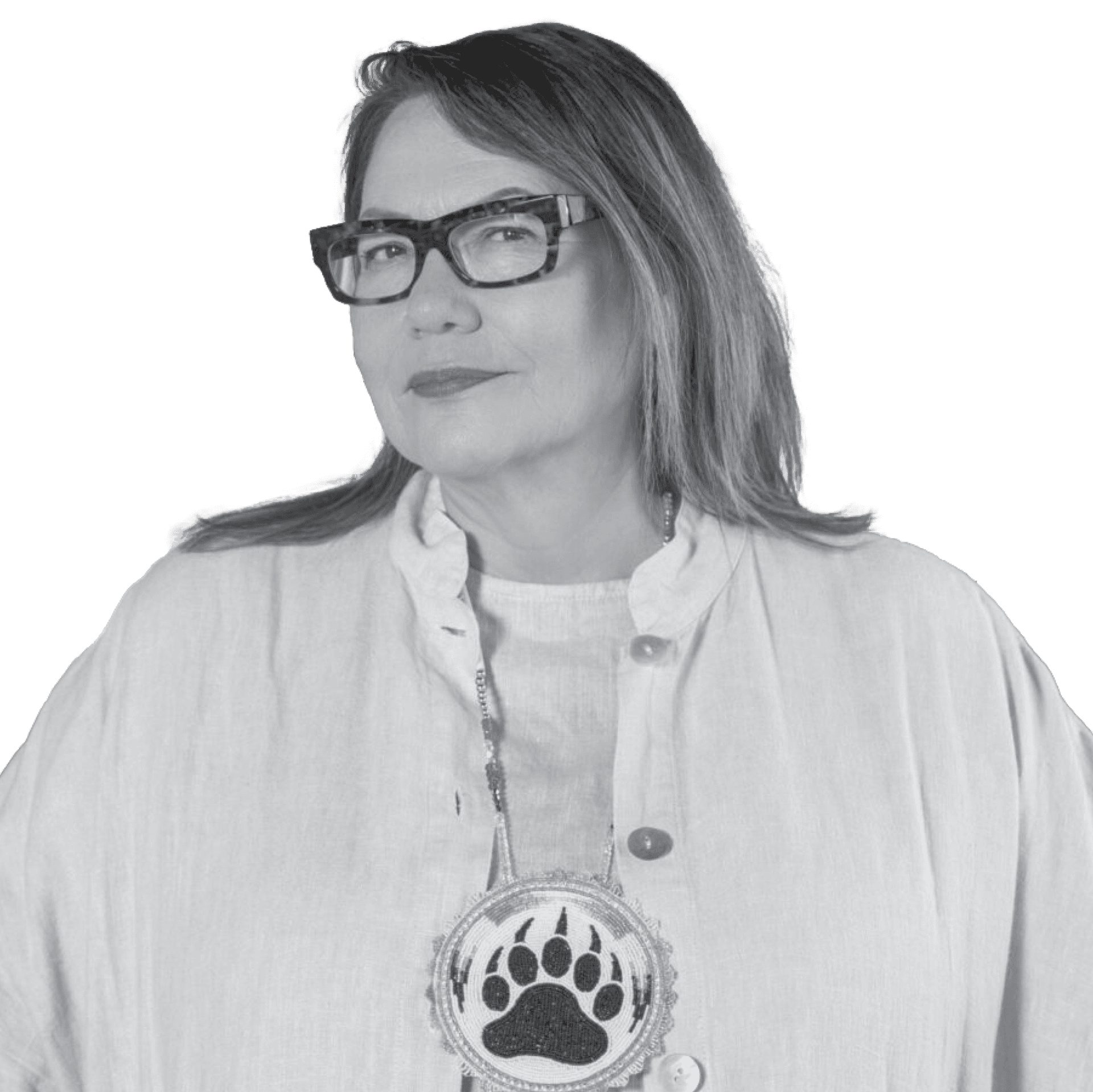
Jodi Rave Spotted Bear
(Mandan, Hidatsa/ Mniconjou Lakota)Founder & Editor in Chief
Spoken Languages: English
Topic Expertise: Federal trust relationship with American Indians; Indigenous issues ranging from spirituality and environment to education and land rights
Sharing Is Caring
This article is not included in our Story Share & Care selection.
The content may only be reproduced with permission from the Indigenous Media Freedom Alliance. Please see our content sharing guidelines.
© Buffalo's Fire. All rights reserved.
We provide independent Native-focused reporting that gives our communities the context and the facts they need to make informed decisions.
Respect The Fire
At Buffalo's Fire, we value constructive dialogue that builds an informed Indian Country. To keep this space healthy, moderators will remove:
- Personal attacks, harassment, or hate speech
- Spam, misinformation, or unsolicited promotion
- Off-topic rants and excessive shouting (All Caps)
Let’s keep the fire burning with respect.